
Restaurant Sustainability Tracking: Cut Energy Costs 25-40% and Meet 2026 Guest Expectations
Restaurant sustainability tracking delivers 25-40% energy cost reductions while turning eco-friendly practices into a profit driver. Learn the exact metrics, 7 proven strategies, and implementation checklist operators are using in 2026 to slash utility bills and fill more tables. https://www.hubplate.app
Tired of watching your utility bills devour the margins you fought so hard to protect?
You’re not alone. Energy and utility costs now rank among the top five margin killers for 82% of full-service and 79% of limited-service restaurants. At the same time, one in three diners says recycling and waste-reduction initiatives directly influence where they choose to eat—with Gen Z leading the charge.
The good news? Restaurant sustainability tracking turns these twin pressures into a single, measurable profit machine. Smart operators who track the right metrics are cutting energy costs 25-40% in the first year, reducing total waste, and building guest loyalty that shows up in repeat visits and higher checks.
HubPlate’s real-time analytics and Logistics Hub already give you the foundation—demand forecasting, inventory variance reports, and par-level tracking—to layer in sustainability without buying another piece of hardware.
This guide shows you exactly how to do it, step by step, with or without any new software.
The Numbers That Make the Case
The data for 2026 is crystal clear.
According to the National Restaurant Association’s 2026 State of the Restaurant Industry report, more than 9 in 10 operators cite energy and utility costs as a significant challenge—right alongside food and labor. Industry-wide sales are projected to hit $1.55 trillion, yet 42% of operators reported their restaurants were not profitable in 2025 because costs outpaced traffic. Restaurant
Energy is no longer a background expense. The NRA’s 2026 Culinary Forecast ranks “Sustainability and Local Sourcing” as the #1 trend. One in three consumers now chooses restaurants based on visible recycling and waste-reduction efforts. Gen Z diners are even more decisive—making sustainability a non-negotiable for the fastest-growing customer segment. Restaurant
Real-world results prove the upside: operators using comprehensive energy monitoring systems cut restaurant energy costs by 25-40% within the first year. Water usage drops 15-30% with simple tracking and fixture upgrades. Waste diversion rates (recycling + composting) routinely climb above 70% when measured weekly instead of guessed at month-end. Envigilance
McKinsey’s 2026 consumer analysis shows diners are willing to pay more for brands that demonstrate clear sustainability metrics—especially when those metrics appear on menus or receipts. Deloitte research echoes this: restaurants that publish verifiable energy and waste reductions see stronger guest retention and easier talent recruitment.
Bottom line: restaurant sustainability tracking is no longer optional. It’s the fastest, most defensible way to protect margins while meeting 2026 guest expectations.
Why Restaurant Sustainability Tracking Delivers Immediate ROI
1. Direct energy cost reduction
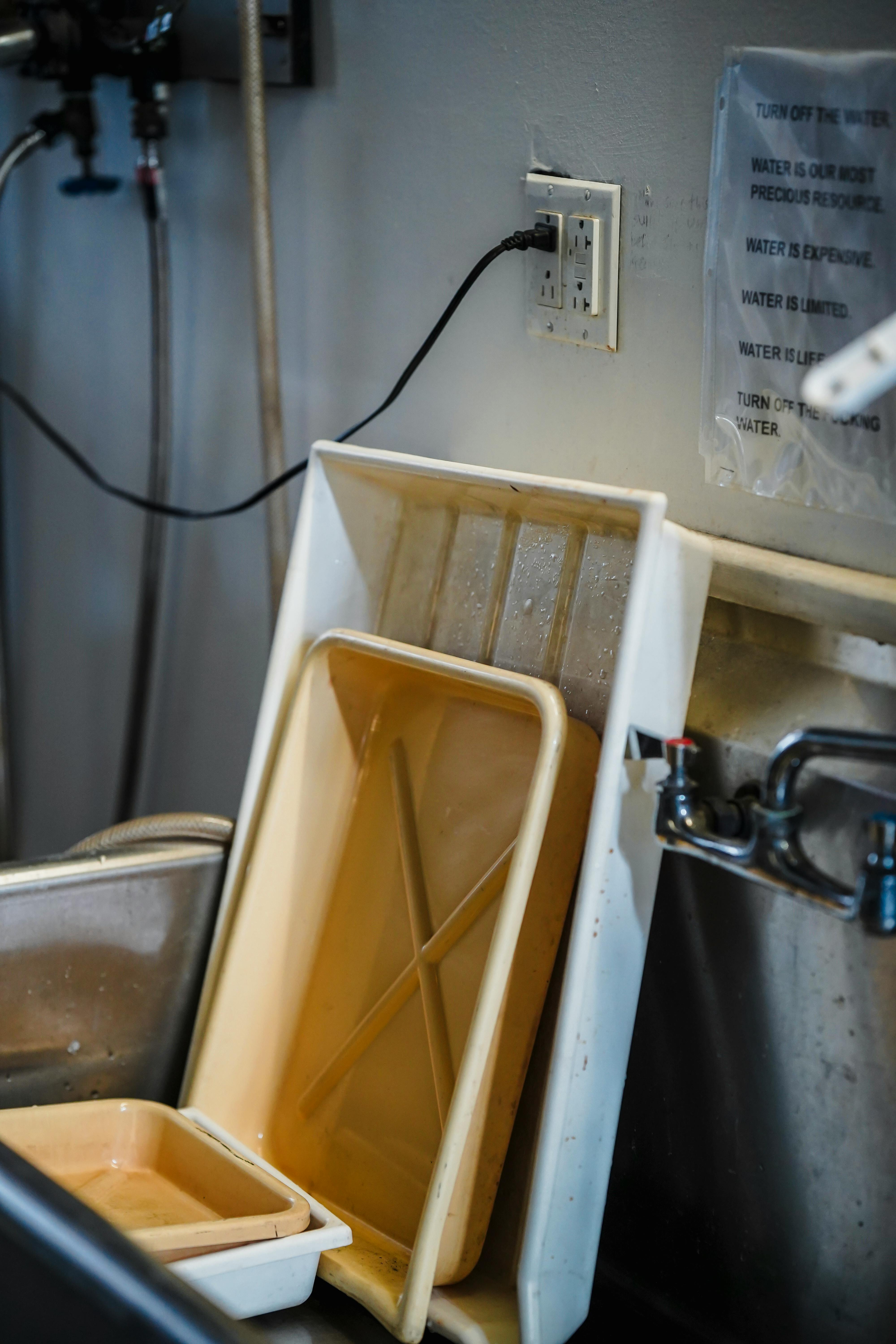
HVAC, refrigeration, lighting, and cooking equipment account for the majority of a restaurant’s utility spend. Tracking usage by hour, by station, and by daypart reveals exactly where money leaks. Operators who act on the data routinely see 25-40% savings without sacrificing comfort or food safety.
2. Waste and recycling revenue
Food waste is already covered in our how to cut food waste in your restaurant kitchen guide. Extending that discipline to packaging, oil, and single-use items creates new revenue streams—compost sales, lower hauling fees, and even tax credits in many markets.
3. Guest-driven revenue lift
Diners notice. When you post monthly sustainability metrics on your menu board or receipt, average checks rise and social shares increase. As we detailed in our how to increase restaurant sales guide, visible value beats price cuts every time.
4. Staff morale and retention
Younger employees want to work for brands that stand for something. Transparent sustainability tracking gives your team pride and purpose—reducing turnover the same way AI scheduling does (see our restaurant labor scheduling software deep dive).
5. Regulatory and insurance advantages
Cities and states are rolling out mandatory waste-diversion and energy-reporting rules in 2026. Early adopters avoid fines and often qualify for lower insurance premiums and green financing rates.
7 Proven Strategies for Restaurant Sustainability Tracking in 2026
Strategy 1: Choose the Right Sustainability Metrics (and only 5 to start)
Track these five KPIs weekly—no fancy software required at first:
- Energy Use Intensity (EUI) — kWh per square foot per month
- Waste Diversion Rate — percentage of total waste recycled, composted, or donated
- Water Usage per Cover — gallons per guest served
- Scope 1 & 2 Emissions — simplified CO₂ equivalent from utilities and refrigeration
- Packaging Recovery Rate — percentage of takeout packaging returned or diverted
Strategy 2: Build a 15-Minute Weekly Tracking Routine
Assign one team member (or rotate) to log:
• Utility meter reads every Monday morning
• Waste bin weights or volume estimates before hauler pickup
• Water meter reads at close on Sunday
Use a shared Google Sheet or the free tier of any basic energy dashboard. Your demand-forecasting data already tells you peak busy periods versus slow times.
Strategy 3: Map Equipment Energy Hogs with Simple Audits
Walk the floor at 2 a.m. and 2 p.m. with a $25 kill-a-watt meter. Measure:
- Walk-in coolers (biggest single consumer)
- Hood fans left running overnight
- Steam tables vs. induction warmers
- Dishwasher cycles vs. hand-washing during slow periods
Most operators discover they can cut 15-20% instantly by changing one habit.
Strategy 4: Align Scheduling and Forecasting to Energy Peaks
As covered in our 5 restaurant cost control strategies guide, AI demand forecasting already exists in your Operations Brain. Use it to pre-cool or pre-heat only when needed. Shift deep-cleaning to off-peak utility hours. Stagger equipment startups. One multi-unit operator tracked saving 28% on electricity by aligning server-station openings with actual reservations instead of “always-on” mode.
Strategy 5: Turn Waste into a Second Revenue Stream
Extend the FIFO and par-level discipline from our how to control restaurant food costs guide to packaging and fryer oil. Partner with local composters or biodiesel collectors. Track every diverted pound. Many operators now earn $300–$1,200 monthly from used oil and compost alone.
Strategy 6: Make Sustainability Visible to Guests (Without Preaching)
QR code on every table or receipt that links to your monthly “Sustainability Snapshot”:
• “This month we diverted 1,247 lbs of waste”
• “Energy use per cover down 18% from last year”
• “Local farms supplied 64% of produce”
Guests share it. Reviewers mention it. Your Yelp and Google ratings climb.
Strategy 7: Benchmark and Improve Monthly
Compare your metrics against NRA industry averages and your own prior months. Set one aggressive target per quarter:
- Q2 2026 → 15% energy reduction
- Q3 2026 → 70% waste diversion
- Review in your weekly manager meeting the same way you review labor cost percentage.
Implementation Checklist: Get Started This Week
- Download last month’s utility bills and meter reads.
- Create a one-page tracking sheet with the five core metrics above.
- Schedule a 30-minute equipment audit with your GM this week.
- Add sustainability line items to your existing HubPlate real-time analytics dashboard export.
- Train one shift lead on the new 15-minute Monday routine.
- Post your first “Sustainability Snapshot” on social and tables next week.
- Review results at the end of Month 1 and adjust one habit.
That’s it. No six-figure consultants. No new hardware. Just disciplined tracking layered onto the systems you already run.

How HubPlate Supercharges Your Sustainability Efforts
While we don’t sell a standalone “sustainability module,” our platform already delivers the data backbone most operators pay extra for elsewhere. Real-time analytics dashboards surface energy-related patterns through demand forecasting and labor scheduling. Logistics Hub precision recipe costing and inventory variance reports directly feed waste-diversion calculations.
Operations Brain visual seating maps and dynamic waitlists help you right-size HVAC and lighting to actual occupancy.
All of it runs on any device your staff already owns, works 100% offline, and comes at one flat $99 per location per month with zero transaction fees.
Ready to Turn Sustainability Tracking Into Your Next Profit Center?
Stop guessing where your utilities and waste dollars disappear. Start measuring, start saving 25-40% on energy, and start giving 2026 guests the transparent, eco-conscious experience they’re actively choosing.
The operators who treat sustainability tracking like they treat food costs and labor percentages are the ones who will still be profitable when the next cost wave hits.
Take control today.
→ Get started with HubPlate’s flat-rate, zero-fee platform at: https://www.hubplate.app
ENJOYED THIS PIECE?
Share it with your network and help them scale too.